Common Travel Problems in Europe and How to Solve Them
Europe, with its diverse cultures, historic landmarks, and bustling cities, is a dream destination for many travelers. From the romantic streets of Paris to the ancient ruins of Rome, the continent offers an endless array of experiences. However, traveling in Europe can also present challenges that can catch even the most seasoned travelers off guard. In this blog, we’ll explore the common problems tourists face and the solutions to make your European adventure stress-free.

Language Barriers
While many Europeans, especially in tourist areas, speak English, there are still plenty of places where communication can be a challenge. In countries like France, Spain, and Italy, locals may prefer to speak their native languages, particularly in smaller towns and rural areas.
Solution:
Learn Basic Phrases: Knowing a few key phrases in the local language, such as “hello,” “thank you,” and “do you speak English?” can go a long way in building rapport with locals.
Download a Translation App: Google Translate or other language apps can be lifesavers, especially if you’re in a non-English-speaking region. Download offline translations so you can access them without internet.
Be Polite: Even if you don’t speak the language, a polite and patient attitude will usually get you the help you need.
High Costs and Budgeting Issues
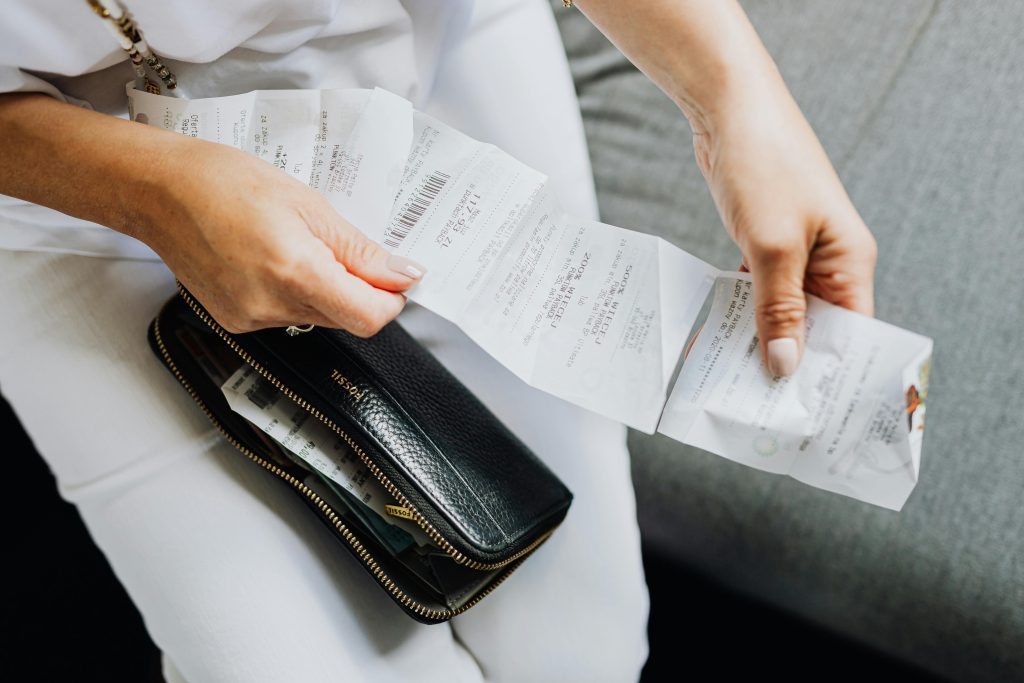
Europe can be expensive, especially in popular cities like London, Paris, and Zurich. From accommodation to dining out, the costs can quickly add up and strain your budget if you’re not careful.
Solution:
Book in Advance: Flights, trains, and accommodations are often cheaper when booked well in advance. Use budget airlines and comparison websites to find the best deals.
Opt for Budget Accommodation: Consider staying in hostels, Airbnb, or budget hotels to save money. In some cities, you can also find affordable yet comfortable accommodations.
Eat Like a Local: Instead of dining at touristy restaurants, explore local markets and eateries. In many European cities, you can find delicious and affordable meals in lesser-known places.
Transportation Issues
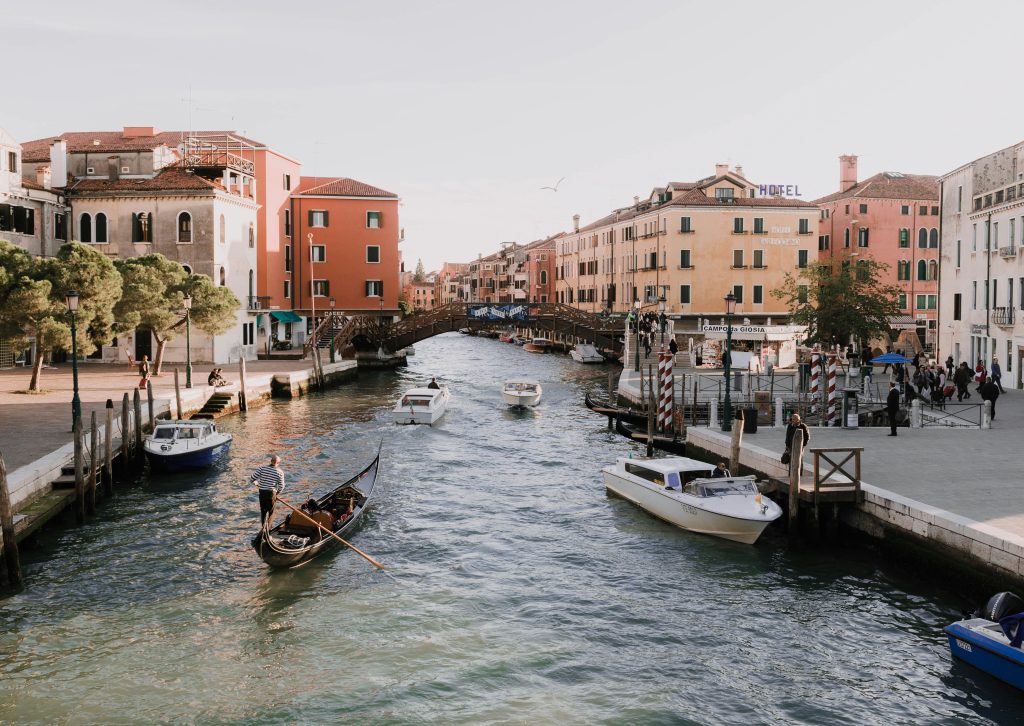
Europe has an extensive and efficient public transportation network, but it can be overwhelming for first-time visitors. Navigating different systems, schedules, and languages can lead to confusion and missed connections.
Solution:
Use Transportation Apps: Apps like Google Maps, Citymapper, or Rome2Rio can help you figure out public transport routes and schedules, as well as the best modes of travel between cities.
Buy City Passes: Many European cities offer transportation passes that allow unlimited use of public transport for a set period. These passes can save you both time and money.
Rent a Car in Rural Areas: In some rural regions, public transport may be infrequent or unavailable. Renting a car can give you more flexibility and convenience.

Pickpocketing and Theft
Pickpocketing is a common issue in major European cities, particularly in crowded tourist areas such as train stations, subways, and popular attractions like the Eiffel Tower or the Colosseum.
Solution:
Stay Aware of Your Belongings: Keep your valuables in front of you, ideally in a money belt or an anti-theft bag. Avoid placing your wallet or phone in easily accessible pockets.
Avoid Crowded Areas When Possible: Be extra cautious in crowds or busy areas. Thieves often operate in these places, taking advantage of distracted tourists.
Use Hotel Safes: When you don’t need all your valuables for a day of sightseeing, leave them securely stored in your hotel safe.
Cultural Differences
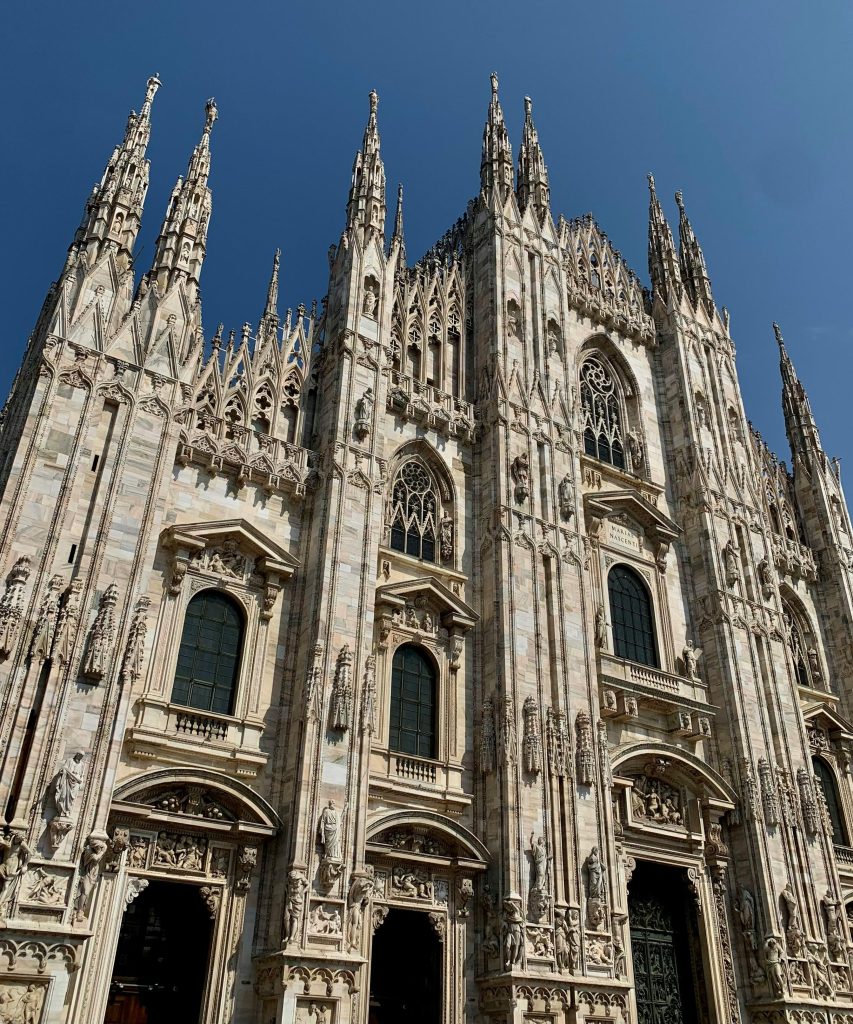
Traveling across Europe means encountering a variety of customs, social norms, and attitudes. What might be normal behavior in one country could be considered rude in another. For instance, tipping practices, greetings, and dining etiquette can vary widely from country to country.
Solution:
Research Local Etiquette: Before arriving in a new country, take time to research local customs. This could be something as simple as knowing how to tip or how to greet someone politely.
Observe and Adapt: When in doubt, observe how the locals behave and follow their lead. Most Europeans are used to tourists, so small mistakes are usually forgiven, but showing respect goes a long way.
Respect Dress Codes: Particularly when visiting religious sites such as churches, cathedrals, or mosques, it’s important to dress modestly and adhere to any rules regarding attire.

Visa and Schengen Zone Regulations
Europe’s Schengen Area allows visa-free travel between many European countries, but not all countries are part of the Schengen Agreement, and visa rules can vary depending on your nationality.
Solution:
Check Visa Requirements: Before you travel, ensure you understand the visa requirements for each country on your itinerary. If you’re staying for more than 90 days in the Schengen Zone, make sure you comply with visa regulations.
Keep Track of Time Spent in Schengen: Be mindful of the 90/180 rule, which allows tourists to spend up to 90 days within a 180-day period in Schengen countries.
Conclusion
Traveling through Europe can be a life-changing experience filled with incredible sights, delicious food, and rich history. However, being prepared for common challenges such as language barriers, high costs, transportation issues, and theft will help ensure your trip goes smoothly. With some planning, research, and a bit of flexibility, you’ll be able to navigate these obstacles and fully enjoy your European adventure.
By addressing these potential issues before they arise, you’ll not only have a more enjoyable journey but also make memories that last a lifetime.