A Nordic design powerhouse bordering the Baltic and North Seas, the birthplace of Andersen’s fairy tales that made many children dream, Denmark is a country in Northern Europe known for its stunning natural beauty and rich culture. The capital of Denmark is Copenhagen, a city known for its beautiful architecture and wide range of art galleries and museums. Denmark is also known for being a bike-friendly city, with locals using bikes to get around. Travellers are also encouraged to rent a bike to explore the city.

1. Denmark Quick Facts
Language Danish
Religion Lutheran Evangelical Church
Currency kroner 1kr (DKK,KR)
Visa Free 90 day visa for 60 nationalities, Shengen Area rules apply
Power Plugs 220 V 50 Hz (C,F,E,K Type)
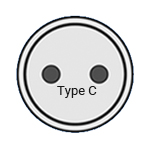
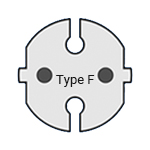
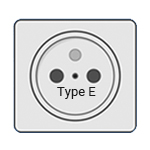

Capital Copenhagen
ATM International debit cards are accepted. ATMs are conveniently located throughout the city.
Use card Credit cards are very convenient and many places only accept them. Just be sure to carry some cash for emergencies.
APP
Google Maps
MinReiseplan : Danish public transport information and map app, searchable for both connections and fares. English version of the original Reiseplanen
YR : A weather app created by the Norwegian Meteorological Service and the national broadcaster. It has the most accurate forecasts for Nordic weather.
TAXA 4X35
2. Packing for your trip
Air plain Ticket
Dollar Flight Club has made it easier and cheaper to buy flights to the Airport.
SIM card
Airalo is the world’s first eSIM store that solves the pain of high roaming bills by giving you access to 200+ eSIMs (digital SIM cards) globally at affordable prices.
New member one-time use 15% discount coupon
10% discount coupon for multiple use by all members.
Pacsafe Pro safe 800 Luggage Lock
Good protection against snatchers or impulse thieves.
Universal Power Adapter
One of the most essential but most forgotten items in your travel gear? A power adapter!
Travel insurance
Prepare for risky situations Travel insurance can be a big help in the event of an emergency
GoPro HERO11
If you want to capture your own memories of your travels, GoPro is the way to go. It’s small, has great image quality, and is easy to carry around
3. Transportation
All modes of transport allow free interchange within one hour of initial boarding (up to two hours if the journey is long).
The minimum journey is 2 zones, with a one-way price of 24kr and an 8-zone price of 66kr. Up to two children under the age of 12 travel free with each adult ticket holder. If the child is travelling alone, the ticket price is half the adult price.
State Railways, S-tog
The national railway operates two types of trains: trains that go to the suburbs and local trains that run in the suburbs of the capital.
They are divided into first class and ordinary class, and there are also silent zones, so you need to be careful.
There is an extra charge for bicycles, but estogs are free of charge
Metro
The Metro operates in the Copenhagen metropolitan area, with four lines running from M1-M4, and is open 24 hours a day.
City bus (Busser)
A net-like network of routes runs from the city centre to the suburbs
The front platform is divided into two, with the right side used for those who buy tickets with cash, and the left side used for those who need to time their tickets or make transfers.
There are no on-board announcements except at a few major stops, and most display the name of the station on an electronic board above the back of the driver’s seat
Buses
Buses are centred around Copenhagen, including late night buses, and are interchangeable with the metro and S-tog when using a transport card. To find the best route to your destination, you can use Google Maps and search for the nearest stop. Stops are equipped with electronic boards displaying the destination and estimated time of arrival.
Taxis (Taxa)
Daytime fares (Mon-Fri): base fare (39kr) + 10kr/km + 6.27kr/minute
Night and weekend rates: base fare (49kr) + 14kr/km + 6.5kr/minute
Use the local Danish taxi app, TAXA 4X35.
Uber is not available in Denmark
If you’re staying in Copenhagen for more than 7 days, you may find it convenient to purchase a rechargeable card called a rejsekort. You can buy one online, but you will need a local residence number (CPR number). If you don’t have a CPR number, you can buy one at designated locations and it costs around 50kr. A regular ticket costs 24kr for a two-zone journey, but a rejsekort is cheaper at 18kr. If you’re staying for more than a month and use public transport frequently, it’s cheaper to buy a monthly pass.
If you are visiting Copenhagen for sightseeing purposes, we recommend purchasing a Copenhagen card. You can buy the card for 24/48/72/120 hours and it gives you free entry to 79 museums and attractions. You also get unlimited rides on buses, S-TOG, and the Metro, as well as discounts on car rentals, restaurants, and other attractions.
4.Safety
While Denmark is relatively safe and travelling is not a problem, there have been a number of pickpocketing incidents in the capital, Copenhagen, and you should be careful with your belongings (including your passport).You should also be cautious when visiting the Norrebro neighbourhood of Copenhagen, where there has been an increase in crime between street gangs.There have been reports of pickpocketing by immigrants in the area southwest of the central station (Kobenhavn H), and it is advisable to avoid walking alone in the area late at night.
Useful phone numbers for tourists
General emergency number: 112
5. Climate
The Nordic summer is a popular time for travellers due to the long days and pleasant temperatures. During the summer, you can explore a variety of destinations in the Scandinavian Peninsula.
From May to August, there is a big difference between the seasons, with the white nights lasting almost 18 hours of daylight and the black nights from around December, when the sun sets quickly around 15:00 – 16:00.
Denmark has a typical maritime climate with generally mild winters and even rainfall throughout the year, although the weather is cold on average.The climate is mild for its latitude, with cool summers, but there is a lot of wind throughout the year and a lot of climate change in winter.Although the amount of snow or rain that falls at any one time is small, it does fall for about half of the month, so it’s a good idea to bring an umbrella.Be prepared for the cold by packing thick layers and warm clothing.
6. price
Prices are generally twice as expensive as in Eastern Europe.
Petrol (1 litre) 15kr /2.00 EUR
McDonald’s Combo Meal: 80kr / 11 EUR
Water (1.5 litres): 9.10kr /1.20 EUR
Milk (1 litre)12kr / 1.60 EUR
7. Travel precautions
The water is limey, like in Western Europe. Water is cheap compared to the rest of the country, so it’s a good idea to buy drinking water.
Toilets are available at the train station for a fee (10kr), and there is a changing table in the men’s room, which is great for dads to change nappies.
8. Etiquette & Service Tip
Physical distancing between people is strictly enforced. Avoid standing together in public places like stops. In some places, you may be looked down upon if you don’t order a local beer.
Tipping
The custom of tipping is generally minimal, as most fares are included in the price. However, if the service is particularly good, or if the price is not included, a tip of 7-10 per cent is acceptable.
10. Holidays
The following are the national public holidays for 2024:
1 Jan Mon New Year’s Day
28 Mar Thu Maundy Thursday
29 Mar Fri Good Friday
31 Mar Sun Easter Sunday
1 Apr Mon Easter Monday
9 May Thu Ascension Day
19 May Sun Whit Sunday
20 May Mon Whit Monday
25 Dec Wed Christmas Day
26 Dec Thu 2nd Day of Christmas
2025 National Public Holidays:
Wednesday, 1 January : New Year’s Day
Thursday, 17 April : Maundy Thursday
Friday, 18 April : Good Friday
Sunday, 20 April : Easter Sunday
Monday, 21 April : Easter Monday
Thursday, 29 May : Ascension Day
Sunday, 8 June : Whit Sunday
Monday, 9 June : Whit Monday
Thursday, 25 December: Christmas Day
Friday, 26 December: 2nd Day of Christmas