In the highlands of Ethiopia, where wild coffee trees still grow freely in ancient forests, lies the birthplace of our beloved coffee. This isn’t just about beans and brewing—it’s about a millennium-old culture that has shaped how we understand and appreciate coffee worldwide.
1. The Living Legacy: Ethiopia’s Coffee Forests
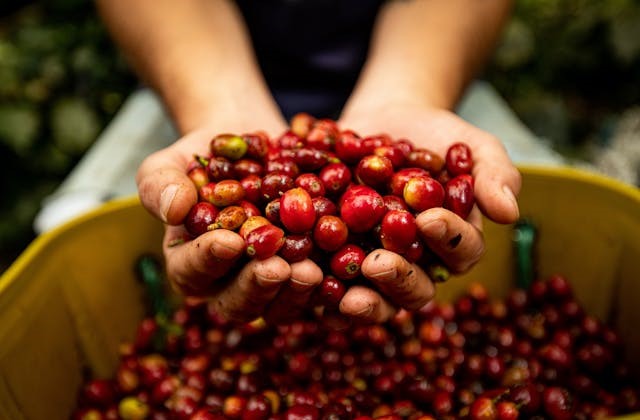
In the dense forests of the Kaffa region of southern Ethiopia, wild coffee trees still grow freely. This is no mere coincidence: 99% of the world’s coffee genetic diversity is concentrated here, proving that Ethiopia is truly the motherland of coffee.
Of particular note is the ‘coffee forest system’ that local farmers have practiced for centuries. This traditional farming method is set to be inscribed on the UNESCO Intangible Cultural Heritage of Humanity list in 2025. This clever way of bringing coffee trees into symbiosis with other crops holds the answer to many of the challenges facing modern agriculture.
2. Time in a Cup: The Ethiopian Coffee Ceremony Unveiled
The Sacred Space
Before the ceremony begins, the host prepares a dedicated space. Fresh grass is scattered on the floor, incense burns in the background, and the traditional coffee set—featuring the iconic clay pot called ‘jebena’—takes’ center stage. This preparation isn’t just aesthetic; it’s a ritual that transforms an ordinary room into a sacred space for community connection.

Stage 1: Dorra (The Roasting)
The ceremony begins with raw, green coffee beans being washed and sorted. The host then roasts them in a flat pan over hot coals or an open flame. This isn’t just about transforming the beans; it’s a sensory experience where participants watch the beans change color while inhaling the developing aromas. The host moves the pan constantly, ensuring even roasting while sharing stories and news with guests.
Stage 2: Neska (The Grinding)
Once the beans reach their perfect roast level—typically medium to medium-dark—they’re ground using a traditional mortar and pestle called a mukecha and zenezena. The rhythmic sound of grinding becomes part of the ceremony’s soundtrack, creating a meditative atmosphere. This process is deliberately unhurried, allowing conversations to flow naturally.
Stage 3: Werabet (The Brewing)
The ground coffee is carefully added to the jebena, which has been filled with water and heated over coals. The jebena’s unique shape, with its spherical bottom, long neck, and spout, is designed to trap coffee grounds while pouring. The first boil is watched carefully – when the coffee threatens to boil over, it’s removed from heat, then returned two more times, creating the perfect brew.
Stage 4: Tona (First Serving – Abol)
The first serving, called ‘abol,’ is the strongest and most revered. Small cups (cini) are arranged on a tray, and the host pours the coffee from about a foot above the cups in a single, thin stream—a practice that requires skill and creates a beautiful spectacle. The serving order often reflects social hierarchy, with the eldest or most honored guests served first.
Stage 5: Baraka (The Blessing)
The ceremony continues with two more brewings using the same grounds: the second serving (tona) and the third (baraka). Each has its own character and significance. The third serving is considered a blessing, and tradition says it transforms the spirit. The entire process typically takes 2-3 hours, emphasizing the importance of slowing down and being present.
☕Modern Interpretations
Today’s Ethiopian coffee shops worldwide are finding innovative ways to preserve these traditions while adapting to contemporary café culture. Some offer abbreviated versions of the ceremony, while others incorporate traditional elements into modern brewing methods. In cities like New York, London, and Tokyo, Ethiopian coffee ceremonies have become popular cultural events, bridging the gap between ancient ritual and modern coffee appreciation.
3. A Coffee Lover’s Travel Guide to Ethiopia
When to Visit
The best time to experience Ethiopia’s coffee culture is during the harvest season (October to December), when you can witness the entire process from picking to processing.
🛫Essential Destinations:
Addis Ababa
- TO.MO.CA Coffee: Historic coffee shop since 1953
- Alem Bunna: Traditional ceremony experience
- National Coffee Museum: Comprehensive coffee history
Yirgacheffe Region
- Coffee Forest Tours
- Traditional farming demonstrations
- Direct trade farmer meetings
Harrar
- Ancient city’s coffee market
- Traditional roasting houses
- Historical coffee trading routes
Cultural Etiquette:
- Never refuse a cup during ceremony
- Expect multiple servings
- Express gratitude with “Amasegnalehu.”
- Participate in the entire ceremony
Practical Tips:
- Book guided coffee tours in advance
- Visit both modern cafés and traditional houses
- Learn basic Amharic coffee terms
- Respect ceremony timing
Conclusion
Ethiopia’s coffee culture represents a living bridge between ancient traditions and modern appreciation. Whether you’re a coffee professional or enthusiast, understanding and experiencing these rituals adds profound depth to your coffee journey.