
Spring Flowers and Gardens
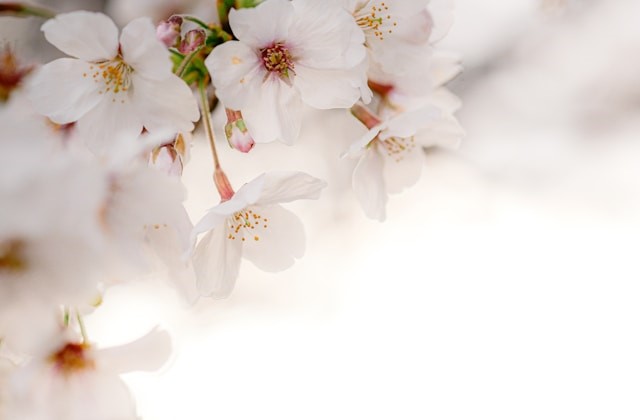
Spring in Japan begins with a festival of flowers. The wave of cherry blossoms from March to May captivates travelers from around the world.
In 2025, Tokyo’s blossoms are expected to peak around March 25th, Kyoto and Osaka around March 30th, and Hokkaido in late April. Perfect spots for hanami (flower viewing) include Ueno Park and Shinjuku Gyoen in Tokyo, Maruyama Park in Kyoto, and Osaka Castle Park. Spreading a blanket under the cherry trees and enjoying a picnic like locals is a special experience during this season.
Beyond cherry blossoms, spring in Japan brings various flowers. April showcases wisteria at Hasedera Temple in Kamakura and Ashikaga Flower Park, while May offers lavender and tulips in Hokkaido’s vast flower fields. Traditional Japanese gardens change with the seasons, with spring highlighting fresh greenery and blossoms. Ryoanji and Kenrokuen gardens in Kyoto are perfect places to experience the tranquility and beauty of spring.
Japan is a country rich in history and cultural heritage, currently home to 23 UNESCO World Heritage Sites. Spring is an ideal time to visit these historic places.
Kyoto’s ancient temples and gardens are even more beautiful with cherry blossoms, and the Golden Pavilion (Kinkakuji) and Silver Pavilion (Ginkakuji) shine magnificently amid spring greenery. Himeji Castle in Hyogo Prefecture, known as the ‘White Heron Castle,’ stands out even more under the spring sky.
Shirakawago in Gifu Prefecture preserves traditional gassho-style houses, offering the charm of a mountain village in spring. Itsukushima Shrine in Hiroshima, famous for its red torii gate that appears to float on water, creates a fantastic landscape when combined with surrounding cherry blossoms. Along with visiting these world heritage sites, traditional cultural experiences are recommended. Walking the streets in a kimono, participating in tea ceremonies, or strolling through Japanese gardens provide opportunities to understand Japanese culture more deeply.
Culinary Journey
Spring in Japan is also famous for its special dishes that stimulate the appetite. Japanese cuisine, which uses seasonal ingredients, becomes even more abundant in spring. Sakuramochi, a sweet rice cake wrapped in cherry blossom leaves, offers the unique experience of tasting cherry blossom flavor. Bamboo shoots (takenoko) are a representative spring ingredient, eaten in clear soup or cooked with rice. Wakame, a spring seafood staple, is used in various dishes, and Japanese strawberries are famous for their taste and size, often enjoyed as desserts.
There are also recommended foods by region. In Tokyo, experience high-end sushi omakase. Sushi made with fresh seafood selected by the chef provides an unforgettable culinary experience. Osaka, known as ‘Japan’s kitchen,’ is famous for street foods like takoyaki and okonomiyaki. In Kyoto, you can taste the essence of traditional Japanese cuisine through elegant kaiseki meals. Hokkaido is renowned for fresh seafood, and spring crab dishes are a culinary experience not to be missed.
Hot Spring Journey for Complete Relaxation
One of the highlights of a Japan trip is the hot spring experience. Spring is especially wonderful as you can enjoy outdoor baths while admiring cherry blossoms and fresh greenery. Hakone in Kanagawa Prefecture is easily accessible from Tokyo and offers views of Mount Fuji on clear days. Kurokawa Onsen in Kumamoto Prefecture is a traditional hot spring village featuring wooden baths and open-air stone baths.
Yufuin in Oita Prefecture is a hot spring resort set in beautiful nature, with various ryokan options. Noboribetsu in Hokkaido is located near a volcanic area called ‘Hell Valley’ and offers various types of mineral waters. There are etiquettes to remember when visiting hot springs: always wash your body thoroughly before entering the bath, place your towel on your head or outside the bath, and check in advance if tattoos are allowed, as some facilities restrict entry for those with tattoos.
Regional Characteristics to Know When Traveling in Japan
Japan may seem like a small country, but each region has its unique culture and characteristics.
The Kanto region (Tokyo, Yokohama, etc.) offers both modern urban charm and tradition, where you can feel Tokyo’s vibrant atmosphere and Yokohama’s port city sentiment.
The Kansai region (Kyoto, Osaka, Nara, etc.) is the center of Japanese culture, where you can experience Kyoto’s traditions, Osaka’s energy, and Nara’s ancient ruins all at once.
Kyushu (Fukuoka, Nagasaki, etc.) is famous for hot springs and delicious food, with a unique culture influenced by various factors.
Hokkaido is known for its great nature, fresh seafood, and dairy products, boasting a landscape distinctly different from other regions. When traveling in Japan, using a JR Pass allows for efficient travel. Also, dialects may differ by region, so it’s good to learn basic greetings. When visiting small towns or rural areas, checking public transportation schedules in advance is essential.
Conclusion: Unforgettable Spring in Japan
Spring in Japan in 2025 will provide you with special memories. Enjoy picnics under cherry trees, feel history at World Heritage sites, and relax with delicious food and hot springs. May your journey discover Japan’s diverse charms through exploring regional characteristics. Spring in Japan is not just a season but an experience that awakens all senses. Fragrant cherry blossoms, delicious seasonal foods, warm hot spring waters, and meetings with friendly locals– every moment will remain a precious memory. Enjoy Japan’s beauty that comes with the spring breeze to the fullest!